What Is a Travel Power Bank and How Does It Work?
A travel power bank is a portable battery pack that charges devices via USB ports, using stored lithium-ion energy. It works by converting stored DC power into USB-compatible output for smartphones, tablets, and laptops.
The average smartphone battery capacity is 3,349mAh (e.g., iPhone 15), meaning a 10,000mAh power bank can recharge it 2–3 times. Most models feature USB-C or USB-A ports for compatibility with multiple devices. Lithium-ion batteries store energy efficiently, but efficiency loss during charging reduces usable capacity by ~20%.
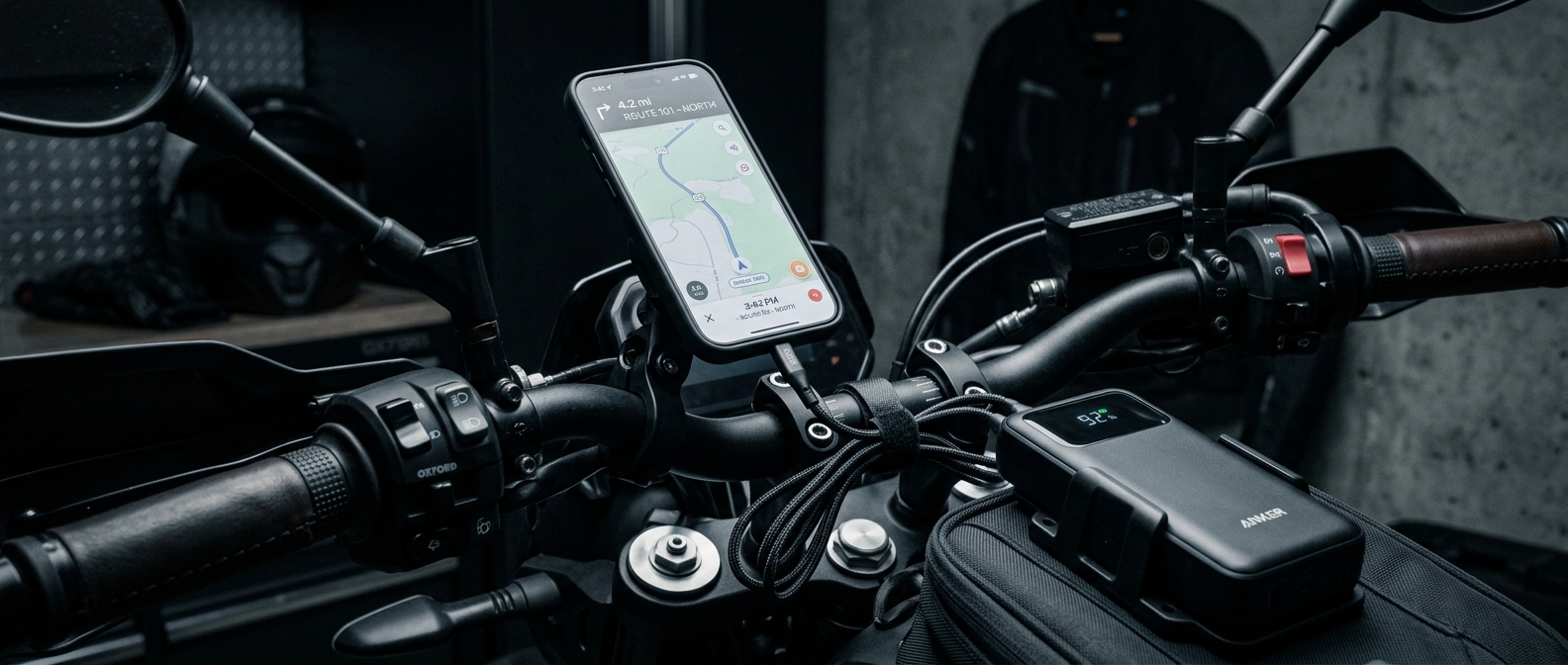
Travel power banks are essential for maintaining connectivity during trips, especially for navigation apps, communication, and emergency situations. They’re compact, lightweight, and designed for on-the-go use. For travelers, the practical issue is balancing capacity, weight, and airline regulations.
Worth knowing: Power banks degrade over time. After 300–500 charging cycles, capacity drops by ~20%. Store at 50% charge to prolong lifespan.
Internal link: Travel Tech Essentials
How Do I Choose a Travel Power Bank?
Choose a travel power bank based on device count, trip duration, and weight constraints. For most travelers, 10,000–20,000mAh balances portability and multiple charges.
Here’s a breakdown:
- Single-device users: 5,000–10,000mAh (charges phone 1–2 times)
- Multi-device users: 15,000–20,000mAh (charges phone, tablet, and laptop partially)
- Backpackers: 10,000mAh (lightweight, charges phone 2–3 times)
A 20,000mAh power bank can power a laptop for 5 hours [VERIFY: Anker PowerCore 20100 specs]. For longer trips, prioritize higher capacity and dual USB ports.
Internal link: Essential Travel Accessories Checklist
| Device | Required mAh | Charges from 10,000mAh | |
| -------------- | -------------- | ------------------------ | |
| Smartphone | 3,000–4,000 | 2–3 times | |
| Tablet | 6,000–8,000 | 1–1.5 times | |
| Laptop | 20,000+ | Partial charge |
What Is the Best mAh for a Travel Power Bank?
The best mAh for a travel power bank is 10,000–20,000mAh for most travelers, balancing portability and charges.
- Under 10,000mAh: Lightweight but limited charges (1–2 phone charges). Ideal for short trips.
- 10,000–20,000mAh: Sweet spot for most travelers (2–4 phone charges). Complies with FAA regulations.
- Over 20,000mAh: Best for long trips or multi-device users but heavier and may require airline approval.
The FAA allows power banks up to 100Wh (~27,000mAh) in carry-on luggage. For international flights, stick to 20,000mAh or less to avoid complications.
Can I Bring a Power Bank on a Plane?
Yes, you can bring a power bank on a plane, but only in carry-on luggage and within FAA limits.
The FAA restricts power banks to 100Wh (~27,000mAh) in carry-on bags. Checked luggage prohibits lithium-ion batteries due to fire risk. Airlines enforce these rules strictly, so always verify capacity labels.
Here’s a quick guide:
| Airline | Power Bank Limit | |
| ------------- | ------------------------ | |
| FAA | 100Wh (~27,000mAh) | |
| IATA | 100Wh carry-on only | |
| TSA | Check labels, no checked bags |
Internal link: Travel Security Essentials
What’s the Difference Between Quick Charge and Power Delivery?
Quick Charge (QC) and Power Delivery (PD) are fast-charging technologies, but PD supports higher wattages for laptops and tablets.
Quick Charge:
- Developed by Qualcomm
- Up to 18W output
- Compatible with QC-enabled devices
Power Delivery:
- USB-C standard
- Up to 100W output
- Charges laptops (e.g., MacBook Pro)
Power Delivery charges a MacBook Pro 50% in 30 minutes [VERIFY: Apple support page]. For multi-device travelers, PD is more versatile.
Internal link: Travel Tech Essentials
| Feature | Quick Charge | Power Delivery | |
| ----------------- | -------------- | ---------------- | |
| Max Output | 18W | 100W | |
| Device Support | Phones | Laptops | |
| Charging Speed | Fast | Faster |
How Many Times Can a Power Bank Charge My Phone?
A power bank charges your phone based on its mAh capacity and your phone’s battery size.
The formula is: (Power Bank mAh ÷ Phone Battery mAh) × 0.8 (efficiency loss). For example, a 10,000mAh power bank charges a 3,349mAh iPhone 2.5 times (10,000 ÷ 3,349 × 0.8).
Most power banks lose ~20% efficiency due to heat and voltage conversion. High-quality models like Anker maintain closer to 85% efficiency [VERIFY: Anker efficiency tests].
Bottom Line: Is a Travel Power Bank Worth It for You?
Yes, a travel power bank is worth it for anyone relying on devices during trips.
- For international flights: Stick to 20,000mAh or under to comply with FAA rules.
- Multi-device users: Prioritize Power Delivery and dual USB-C ports.
- Backpackers: 10,000mAh balances weight and charges.
Internal link: Browse Travel Power Banks